The Carbon Spectra Peel: Who It Suits and Who It Does Not
Skin Health · 28 June 2026 · 5 min read
Often called the 'Hollywood peel', the carbon laser facial has a reputation for instant glow. It earns some of that reputation, and we would rather set expectations properly than sell a single visit as a transformation.
What the treatment does
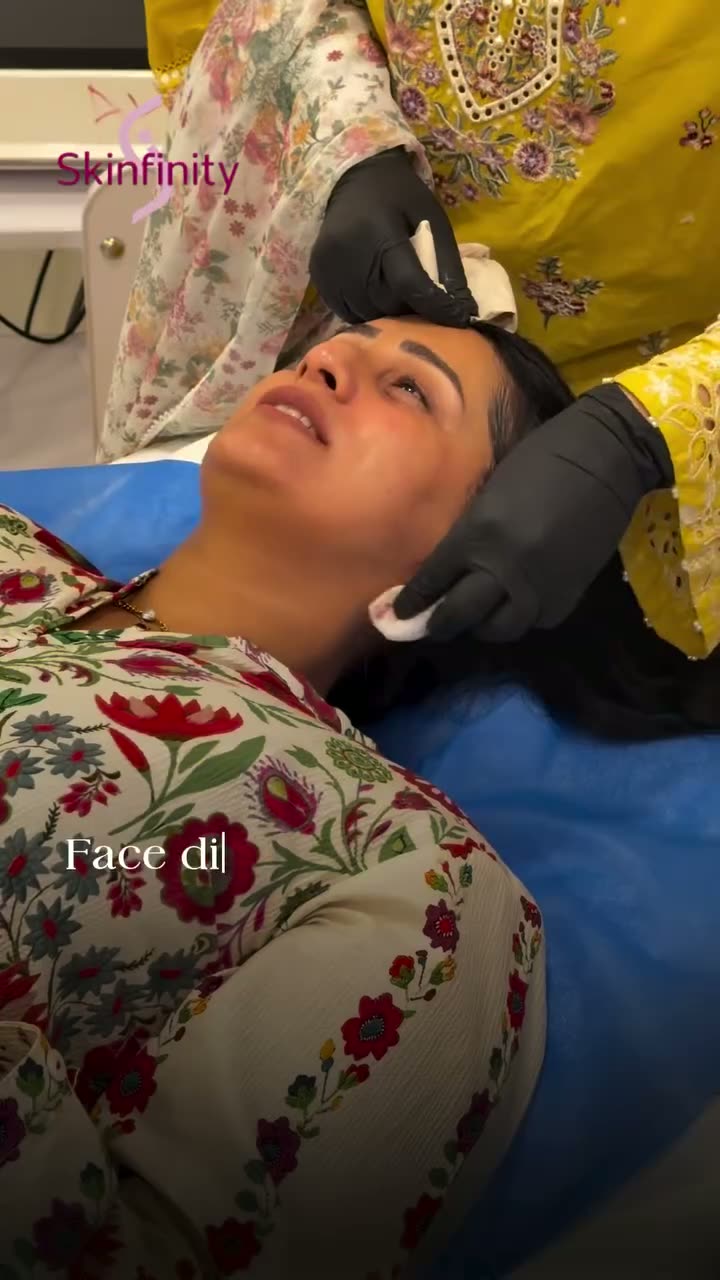
A fine layer of medical-grade carbon is applied to the skin and settles into pores, binding to oil and debris. A Q-switched laser then passes over the area, vaporising the carbon and lifting what it has absorbed.
A second pass delivers energy deeper into the dermis, gently stimulating collagen and helping to break up superficial pigment clusters.
Who benefits most
Skin that reads as dull, congested or textured responds well. Enlarged pores across the nose and cheeks soften. Oily skin tends to feel balanced for several weeks afterwards.
It is also a good pre-event treatment. There is no true downtime, and most people leave with a mild flush that settles within a couple of hours.
When we recommend something else
Active inflammatory or cystic acne needs medical management first. Deep melasma often does better with a combined approach of topical therapy and conservative laser settings, because aggressive energy can worsen it.
If your primary concern is laxity or fine lines, microneedling or a collagen-focused protocol will move the needle further than a carbon peel.
This article is general information, not medical advice. Treatment suitability is always confirmed in a consultation at our Bahria Town clinic.